2026-04-21
What is Panchang? The Hindu Astrological Almanac Explained
What is a Panchang?
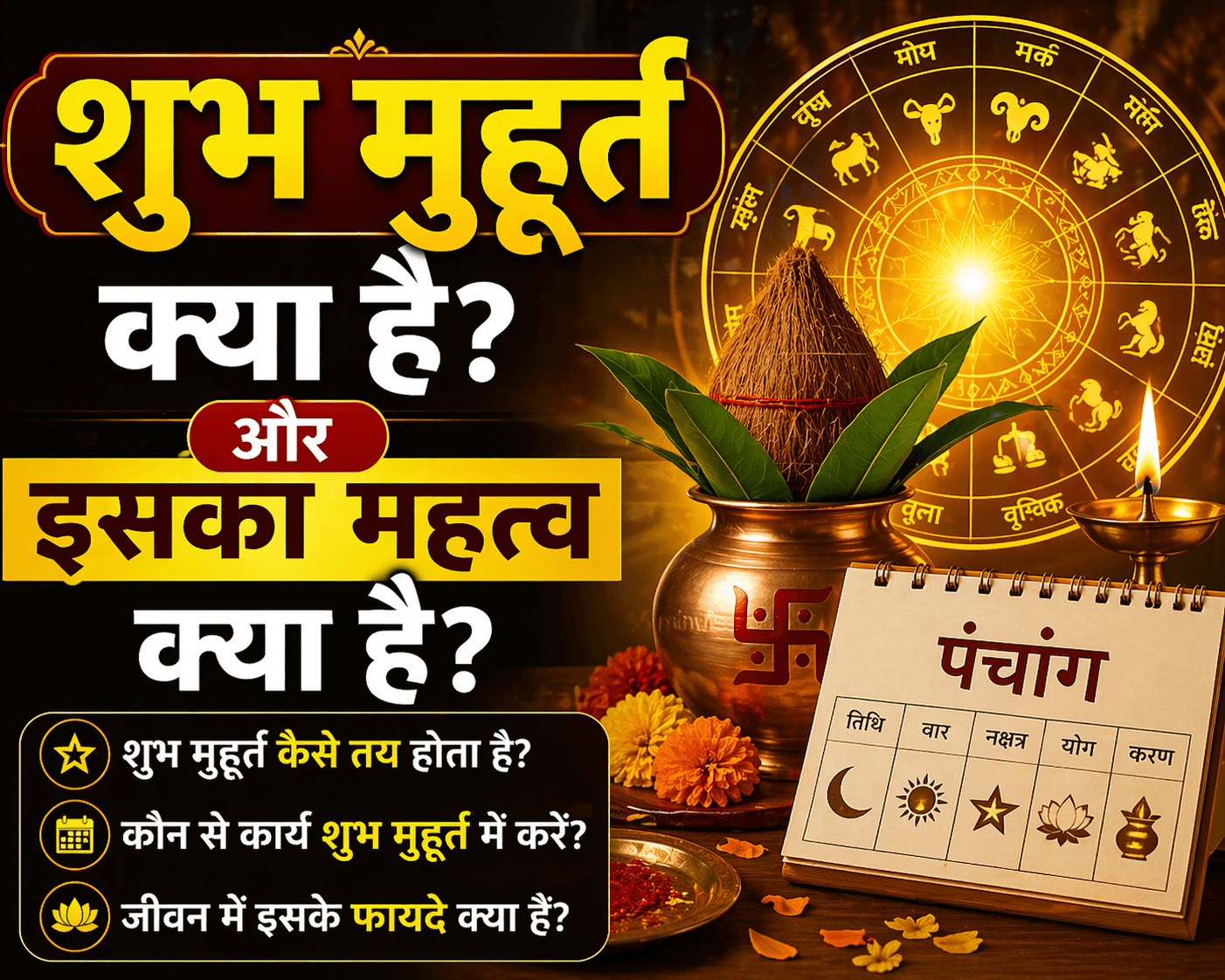
A Panchang (also known as Panchangam) is a traditional Hindu astrological almanac that follows traditional Indian cosmology. The word "Panchang" is derived from two Sanskrit words: "Pancha" meaning five, and "Anga" meaning limbs or attributes. Therefore, it literally means "five limbs".
These five limbs represent five fundamental astronomical elements that change daily based on the position of the sun and the moon.
The Five Limbs of Panchang
Understanding these five elements is crucial for reading a Panchang:
- Tithi (Lunar Day): The angular relationship between the Sun and the Moon. There are 30 Tithis in a lunar month, spanning the waxing (Shukla Paksha) and waning (Krishna Paksha) phases.
- Nakshatra (Lunar Mansion): The specific constellation in which the Moon is located at any given time. There are 27 Nakshatras in Vedic astrology.
- Yoga (Luni-Solar Day): A mathematical combination of the positions of the Sun and the Moon. There are 27 Yogas.
- Karana (Half Lunar Day): Half of a Tithi. There are 11 Karanas in total.
- Vaar (Weekday): The seven days of the week, named after celestial bodies (e.g., Raviyaar for Sunday/Sun, Somvaar for Monday/Moon).
Why is the Panchang Important?
The Panchang is extensively used in Hindu culture to:
- Find Shubh Muhurat (Auspicious Timings): Determine the best times to start new ventures, get married, buy property, or conduct religious ceremonies.
- Identify Inauspicious Timings: Avoid periods like Rahu Kaal, Yamaganda, and Gulika Kaal for important activities.
- Determine Festival Dates: Calculate the exact dates of Hindu festivals and fasts (Vrat), which are based on lunar cycles rather than the Gregorian solar calendar.
- Astrological Analysis: Assist astrologers in casting horoscopes and making predictions.
How to Use a Daily Panchang?
For everyday use, checking the Panchang can help you align your activities with the universe's natural rhythms. Look for the Shubh Muhurat if you plan to do something important, and check the Rahu Kaal to know when to avoid starting new tasks.
By integrating the wisdom of the Panchang into your daily routine, you can navigate life's challenges more smoothly and maximize positive outcomes.